
Watching your child lose their first tooth is a memorable milestone that marks the transition from toddlerhood to the school-age years. As exciting as this stage can be, many parents have questions about what’s normal, what to expect, and how to handle concerns. At Eastside Children’s Dentistry in Chagrin Falls, OH, Dr. Sandyha Menon and our pediatric dental team are here to guide you through this important developmental phase.
When Do Baby Teeth Typically Fall Out?
Most children begin losing their primary teeth around age 6, though the process can start as early as age 4 or as late as age 7. The timing varies from child to child and is largely determined by genetics—if you lost your teeth early or late, your child may follow a similar pattern.
Generally, teeth fall out in the same order they came in. The lower front teeth (central incisors) are typically the first to go, followed by the upper front teeth. By age 12 or 13, most children will have lost all 20 primary teeth and have their permanent teeth in place, with the exception of wisdom teeth.
The Natural Process of Losing Baby Teeth
Baby teeth don’t simply fall out randomly. The roots of primary teeth gradually dissolve as the permanent tooth underneath begins to push upward. This process, called exfoliation, causes the baby tooth to become loose over time until it eventually falls out, making way for the permanent tooth.
You may notice your child’s tooth becoming wiggly weeks or even months before it actually comes out. This is completely normal and shouldn’t cause concern. Some children enjoy wiggling their loose teeth with their tongue or fingers, which can help speed up the natural process.
What Parents Should Do (and Not Do)
Let Nature Take Its Course
Resist the urge to pull out a loose tooth before it’s ready. Pulling a tooth prematurely can cause pain, bleeding, and potential damage to the surrounding gum tissue. The tooth will come out on its own when it’s ready—usually with very little blood and minimal discomfort.
Encourage Good Oral Hygiene
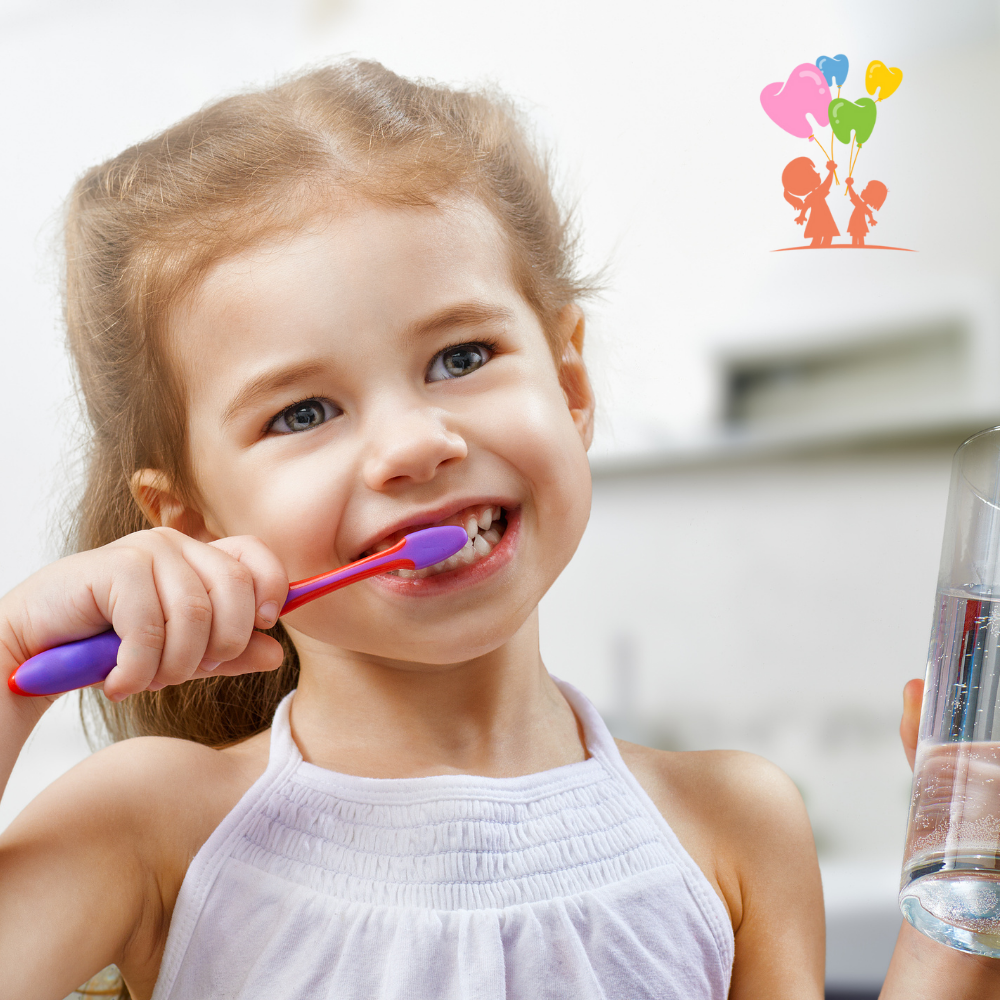
Even though baby teeth are temporary, maintaining good oral hygiene remains crucial. Continue to have your child brush twice daily and floss regularly, being gentle around loose teeth. Healthy primary teeth guide permanent teeth into their proper positions.
Manage Minor Bleeding
When a tooth does fall out, there may be slight bleeding. Have your child rinse with cool water and bite down gently on clean gauze or a damp washcloth for a few minutes. The bleeding should stop quickly. If bleeding continues for more than 10 minutes, contact our office.
Maintain Regular Dental Visits
Keep up with your child’s regular dental checkups during this transition period. At Eastside Children’s Dentistry, we monitor the progress of emerging permanent teeth and can identify potential issues early, such as crowding or teeth coming in crooked.
When to Be Concerned
While most baby tooth loss follows a predictable pattern, certain situations warrant a call to our office:
- Tooth loss before age 4: Very early tooth loss may indicate an underlying issue and should be evaluated.
- Tooth loss after age 8 without any movement: If your child hasn’t lost any teeth by age 8, schedule a dental examination to ensure proper development.
- Teeth falling out due to injury: If a tooth is knocked out from trauma rather than natural loosening, contact us immediately. We may need to place a space maintainer to prevent other teeth from shifting.
- Severe pain or swelling: While some discomfort is normal, significant pain or swelling around a loose tooth could indicate infection.
- Permanent tooth not visible: If several months pass after a baby tooth falls out and you don’t see the permanent tooth emerging, we should evaluate the situation.
Caring for Emerging Permanent Teeth
As permanent teeth come in, they may look noticeably larger than baby teeth and might appear slightly yellow compared to remaining primary teeth. This is normal—permanent teeth have more dentin, which gives them a different color.
New permanent teeth are more susceptible to cavities during their first few years. Ensure your child brushes thoroughly, especially around newly erupted teeth. We may recommend dental sealants to provide extra protection against decay for permanent molars.
Making It a Positive Experience
For many families, losing baby teeth is celebrated with visits from the Tooth Fairy. This tradition can help children view tooth loss as a positive milestone rather than something to fear. Some families keep lost teeth in special containers or take photos to commemorate each lost tooth.
If your child is anxious about losing teeth, reassure them that it’s a natural, normal process that happens to everyone. Explain that wiggling the tooth gently is okay, but forcing it out isn’t necessary. Most importantly, let them know that you and our dental team are here to answer any questions and ensure their smile stays healthy.
The Importance of Primary Teeth
Though temporary, baby teeth serve critical functions beyond chewing and speaking. They maintain space for permanent teeth, guide jaw development, and contribute to proper facial structure. This is why it’s essential to care for baby teeth even though they’ll eventually fall out.
If a baby tooth is lost prematurely due to decay or injury, the surrounding teeth may shift into the empty space, potentially causing crowding issues when the permanent tooth tries to emerge. In such cases, we may recommend a space maintainer to preserve the proper spacing.
Your Partner Through Every Stage
If you have questions about your child’s tooth loss timeline or want to schedule a checkup, call us today at (440)-737-2047. Let’s work together to ensure your child’s smile stays healthy and beautiful through every milestone!